





United Kingdom
12ft welfare units
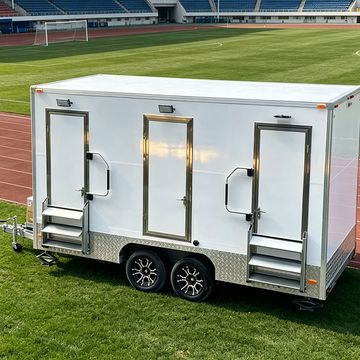
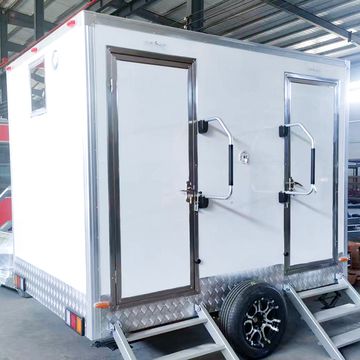
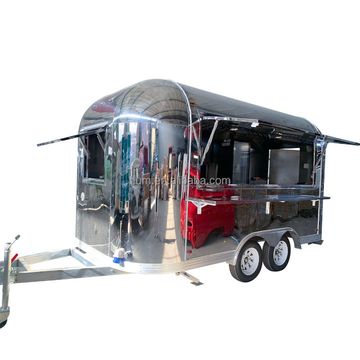
A 12ft welfare unit takes a mess area, a WC and a drying room without needing a bigger towing vehicle than the van already on site.
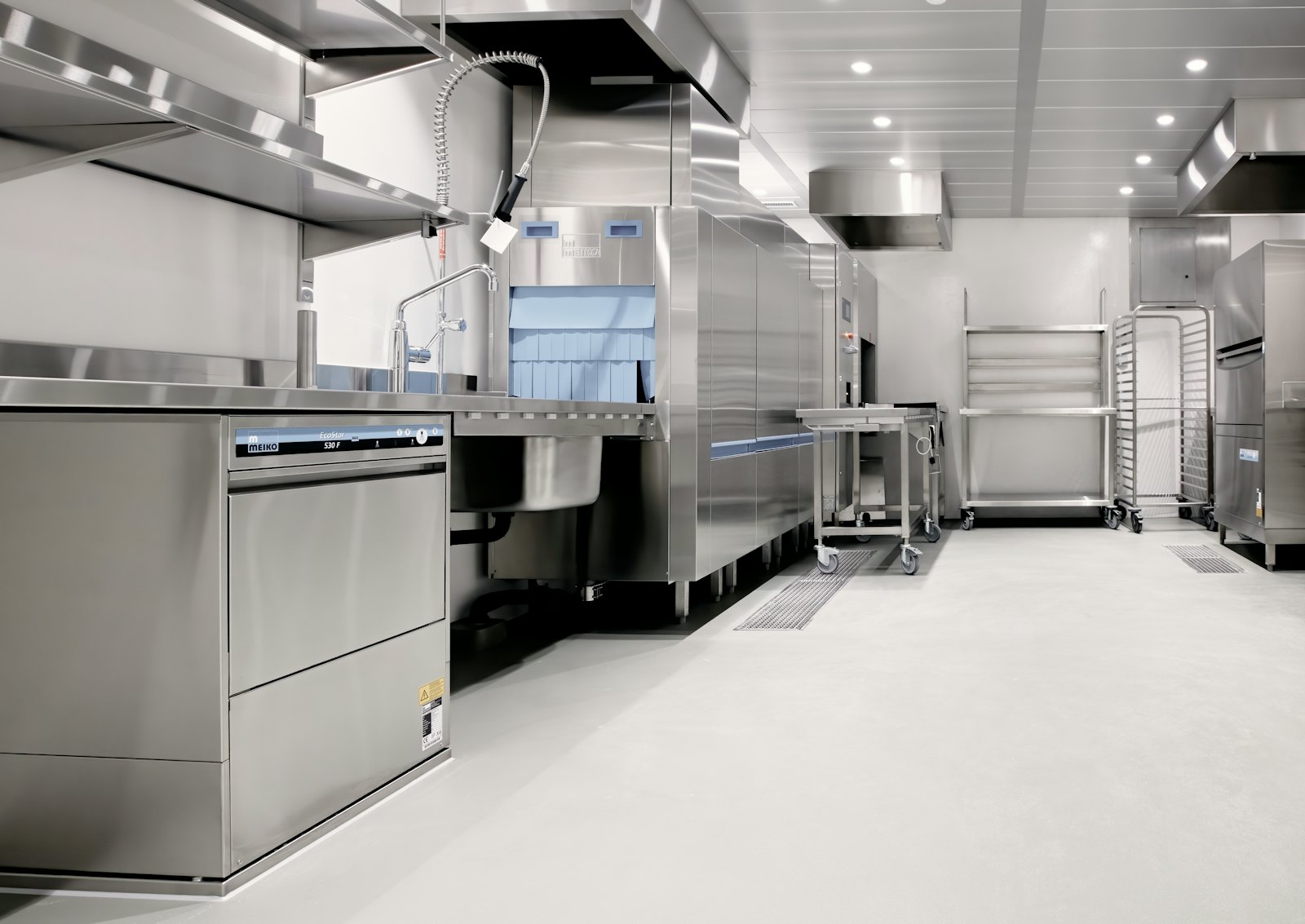
Twelve feet is a compromise that happens to work. Ten feet forces the drying area and the WC to share, and fourteen pushes the plated weight and the towing category up for crews that rarely need the extra bench.
What decides it in practice is headcount at break, not floor area. Seven seated is a different unit from four seated, and the sizing conversation starts there.
Typical 12ft arrangement
| Body | 12 ft by 8 ft, twin axle braked chassis |
|---|---|
| Mess | Seating for six to eight, work surface, sink with heated water |
| WC | Separate compartment with its own door and a hand wash basin |
| Drying | Heated area with hanging space and a hosable floor |
| Power | Generator, or battery and solar hybrid |
| Weights | Measured on the finished unit and plated, never declared from a drawing |
The range
Units this is usually built from
Every one is built to an order and configured to the specification agreed with you. Nothing here is stock.
Before you pay
The approval route comes first
A unit that cannot be registered where it is going cannot be used there. So the route is established first, in writing, and each country's route is published with the regulator's own source and the date it was read.
Getting it registered in the United Kingdom
Supplying a new category O trailer for road use in Great Britain without a certificate in effect is a criminal offence, and the certificate is an EU Certificate of Conformity, a national small series certificate or an Individual Vehicle Approval certificate. Which route applies to your unit is established in writing before you pay, with the authority and the documents named. The route for United Kingdom, with the regulator's own source and the date it was read.

Questions
Asked before an order, not after
Is 12ft enough for my crew?
It depends on how many sit down at once rather than on how many are on site. Tell us the break headcount and we will say whether ten or fourteen is the better unit.
Can the layout change?
Yes. The arrangement above is typical rather than fixed, and the layout is agreed and frozen in writing before material is cut.
United Kingdom
What is different here
What is true here and not in Australia. 5 things that decide a specification in this market and do not apply in the other one, each with the instrument or the authority it was read from.
Decides the unit
01The welfare duty names functions and refuses to name numbers
Schedule 2 to the Construction (Design and Management) Regulations 2015 requires suitable and sufficient sanitary conveniences, washing facilities, drinking water, changing rooms and rest facilities. It gives no ratio: no closets per worker, no basins per shift, no square metres per head. It is given effect by three separate regulations naming the client, the principal contractor and the contractor, and none of them discharges the others.
What it changes. A buyer comparing two units on length has no way to tell whether either discharges the duty, which is why a specification here starts at the crew and the shift pattern rather than at a body size.
Read from CDM 2015, Schedule 2 2026-09-05
The document usually quoted for toilet numbers says on its own page that it does not cover construction
L24 is the Approved Code of Practice for the Workplace (Health, Safety and Welfare) Regulations 1992 and it carries the familiar table of sanitary conveniences against numbers of people. The Health and Safety Executive's own page for it says those Regulations apply to most workplaces except those involving construction work on construction sites, those in or on a ship, and those below ground at a mine.
What it changes. A welfare unit sized from that table is sized from an instrument that does not reach the site it is going to. Construction welfare runs on Schedule 2 to CDM 2015 instead, which names functions and gives no numbers, so the sizing argument has to be made from crew and shift rather than copied from a table.
Read from Workplace health, safety and welfare, L24, Health and Safety Executive 2026-09-09
Decides the business
03Supplying the trailer without a certificate in effect is a criminal offence, not a paperwork delay
Under the Road Vehicles (Approval) Regulations 2020, supplying a recordable trailer for use on a road without an EU Certificate of Conformity, a national small series certificate or an IVA certificate having effect is an offence. The penalty is an unlimited fine in England and Wales, or up to three months imprisonment for an individual, or both. For a large trailer, defined by unladen weight over 1,020 kg or any semi-trailer built to carry goods, regulation 23 requires the supplier to notify DVSA, provide the pertinent information and obtain consent before supply, and consent is withheld until import VAT and customs duty are paid.
What it changes. It puts the approval route on the critical path rather than beside it. A unit that arrives before its certificate does cannot lawfully be handed over, which is why the route is established before the specification is frozen rather than after the build.
Read from The Road Vehicles (Approval) Regulations 2020 2026-09-08
Decides the operation
04Who may tow it was decided by the year they passed their test
A licence obtained before 1 January 1997 usually carries a combined vehicle and trailer entitlement up to 8,250 kg maximum authorised mass. A licence obtained from that date covers a trailer up to 3,500 kg, which is category BE, and anything heavier needs category C1+E with a provisional licence, a lorry theory test and a practical test. Six of the twenty three units we specify sit exactly on the 3,500 kg line.
What it changes. The plated mass is a licensing decision about the buyer, not only an engineering one about the trailer. It is settled before a specification is frozen, because a unit the buyer cannot tow is of no use to them.
Read from GOV.UK, towing with a car 2026-09-07
Three obligations land on the operator inside 2027, from three departments
The micro firm exemption from workplace recycling separation in England ends on 31 March 2027, and the guidance names construction sites and the contractors' food and packaging waste on them. Martyn's Law can commence from 3 April 2027 at the earliest, after which an event expecting 800 or more becomes a qualifying event carrying the enhanced requirements. The deposit return scheme for England and Northern Ireland starts on 1 October 2027.
What it changes. None of the three asks anything of a trailer, and two of them change what the operator standing in it has to do. Knowing which is which before ordering is worth more than any option on the list.
Read from The obligation timetable, with each instrument and read date 2026-09-09
Specify a 12ft unit
Break headcount, shift pattern and towing vehicle.