




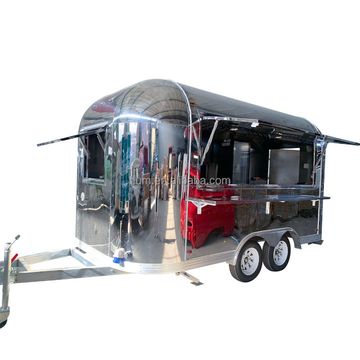

Approval
Type approval, Certificate of Conformity, and CE
Three things that sound related and are not interchangeable. Confusing them is an expensive mistake when buying a trailer.
Whole-vehicle type approval
A manufacturer proves a vehicle type meets the requirements. Granted once, for a type, by an approval authority. It is what lets units of that type be placed on the market across the EU without further testing.
Certificate of Conformity
Issued by the manufacturer for an individual vehicle, stating it conforms to an approved type. A CoC is nothing without the type approval behind it.
CE marking
A product-conformity mark under specific harmonised EU product legislation. It has nothing to do with road-vehicle approval. Gas appliances have their own route again, under Regulation (EU) 2016/426.
If a seller answers a question about road approval with a CE certificate, they have not answered the question. The categories are different regimes, and the difference lands on the importer when the unit arrives. It is the first thing we check and the first thing we put in writing.

The decision
Which route applies to you
Does an approved type exist?
With EU whole-vehicle type approval for the trailer type, a Certificate of Conformity for your unit is the straightforward route. Ask for the type approval number, not just the certificate.
If not, individual approval
Every member state has a national individual approval route, and they differ. The Netherlands through the RDW, Germany through a section 21 assessment, France through regional reception. The United Kingdom has its own IVA scheme.
Then the VIN question
EU rules require a structured VIN under an authorised World Manufacturer Identifier. A stamped plate does not establish that one was allocated, and this is checked.
Then food hygiene, separately
A road-legal trailer is not an approved food business. Regulation (EC) 852/2004 requires hygienic premises, potable water, waste and temperature control and HACCP procedures, with its own inspector.
Sources
Where this comes from
- Regulation (EU) 2018/858, approval of motor vehicles and their trailers
- European Commission, automotive technical harmonisation
- European Commission, CE marking
- Regulation (EU) 19/2011, VIN and statutory plates
- Regulation (EC) 852/2004, hygiene of foodstuffs
Read 2026-08-31. A plain-language guide to primary legislation, not legal advice.