

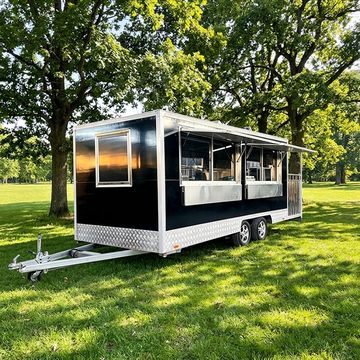
About
About MODUWRIGHT
Welfare units, food trailers and sanitation units, specified against the job and your market's approval rules before you pay for anything.

What we do
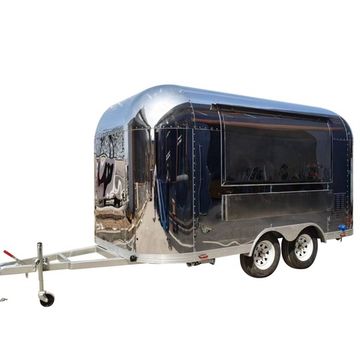
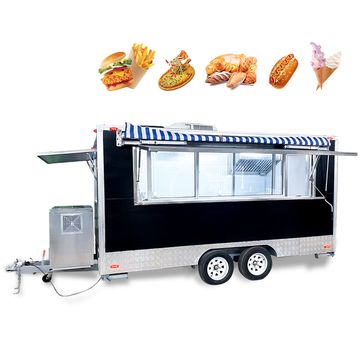
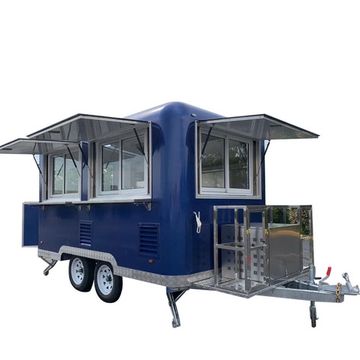
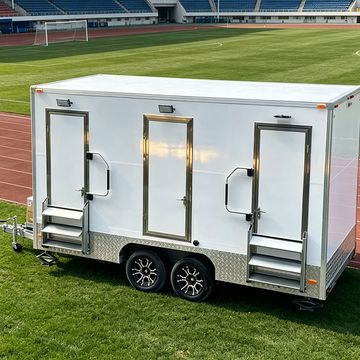
Commercial food trailers, mobile kitchens and sanitation units, built to order. Each unit is specified around what it will serve, checked against the approval route of the country it will trade in, built to that drawing, with inspection arrangements and handover documentation confirmed in writing before an order is accepted.
How we build
Units are built by manufacturing partners we specify and hold to the drawing. We do not put our name on a unit we have not checked, and we do not claim a certificate unless it belongs to the model and the country.
What we will not do
Describe a unit as road legal, approved or registration-ready without the evidence for that model in that country. Publish a price we cannot stand behind. Or answer a question about approval with a CE certificate.
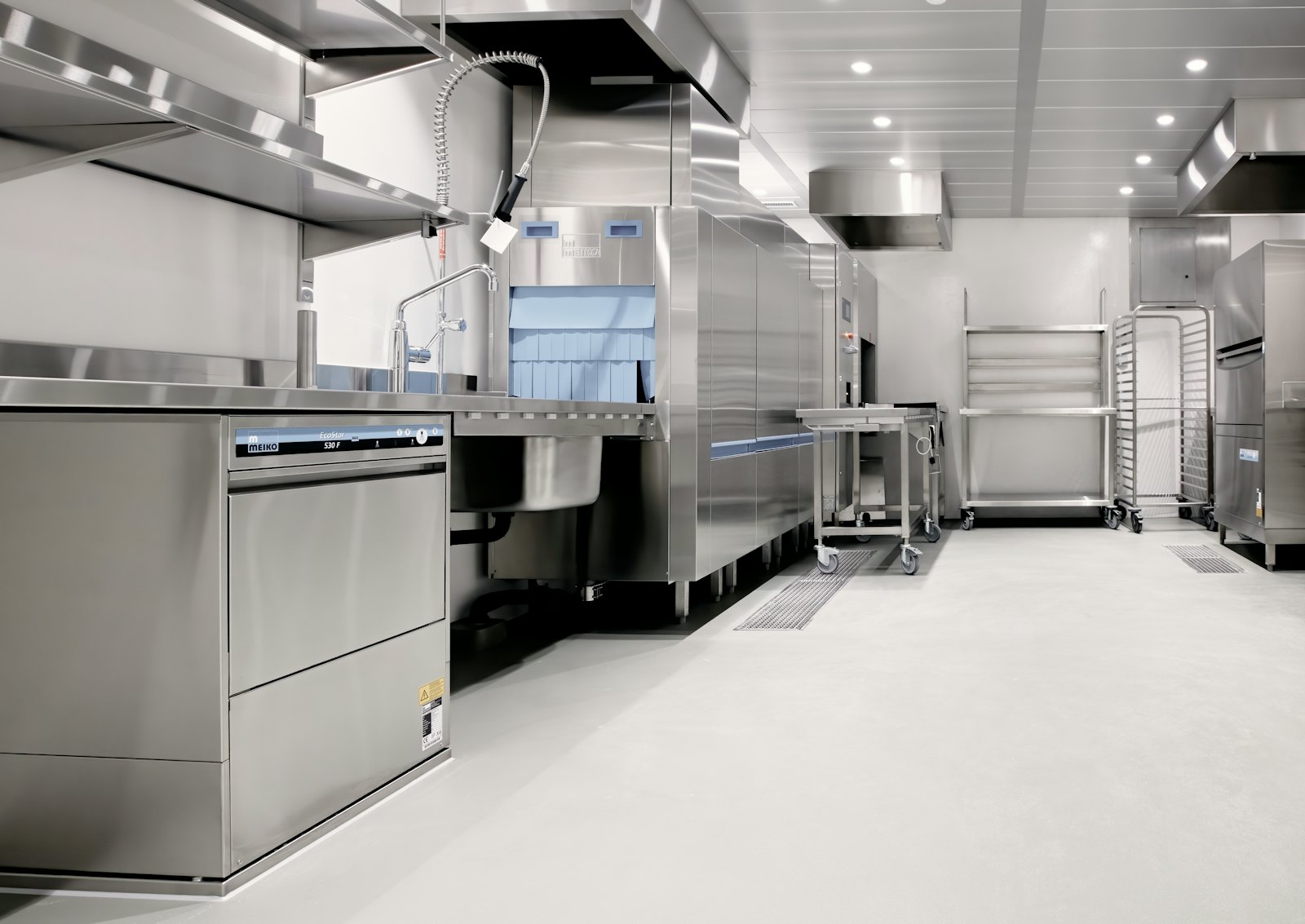
The operating chain
How a unit reaches you
Five steps, and we are accountable at every one of them. Where a step is somebody else's to perform, it says whose.
Specify
The unit is drawn around what it will serve and how often. Menu, covers, service day, the equipment that follows from it, and the electrical load that follows from that.
Establish the route
Before a price, the approval route for the destination country is established: which approval, which authority, which documents, and what the buyer has to do themselves.
Order to the standard
The specification is frozen in writing and placed against our published build standard, not against a conversation.
Inspect
Inspection and quality-control arrangements are confirmed in the written quotation and order: who inspects, against the frozen drawing, and when.
Deliver and hand over
Freight, entry and inland delivery as part of the purchase. The applicable model, market and handover documentation is confirmed before an order is accepted.
The boundary
What we are
- The party that specifies the unit and owns the drawing.
- The party that establishes the approval route before you pay, in writing.
- The party that sets the inspection terms in the written order and can stop the shipment.
- The party you invoice, and the party that answers when something is wrong.
And what we are not
The limits
- Not the factory. Units are built by manufacturing partners to our specification.
- Not a broker forwarding your message. The specification, the approval work and the inspection terms are ours.
- Not a stockist. Every unit is built to an order, so there is no availability figure to give.
- Not a consultancy. We are paid for a unit that arrives, not for advice about one.
Who you deal with
One person, and what they carry
An account has one contact and it does not change hands between the specification, the shipment and the problem. The person who freezes your drawing is the person who signs the acceptance or the rejection against it.
What that means when it goes wrong
Four things, decided in advance
| The specification | Frozen in writing by the person you have been speaking to, not by a form. |
|---|---|
| A change to it | A written variation with a price and a date. Nobody agrees one verbally, in either direction. |
| Acceptance or rejection | In writing within five working days of the inspection report, naming the requirement and the evidence. |
| An escalation | Goes to the same account rather than to a queue. There is no tier two to be passed to. |
Check us
What you can check
Each one links to its sources.
Where we are
The published standard, the approval routes, the obligations matrix, the change record and the open data.
Read itThe build standard
Six sections and thirty-one requirements, with the instruments behind them named, and a written route for a clause that cannot be met.
Read itThe inspection regime
Six checkpoints from specification freeze to arrival, and what an inspection verifies when the order includes one.
Read itHow we verify a claim
The rule applied before anything is stated as fact, and what happens when the evidence is only a supplier saying so.
Read itCorrections
What we have got wrong, dated, with what it was changed to.
Read itRegistration by country
The approval route per market, with the authority and the instrument named, and the gaps marked as gaps.
Read itImage credits
Every photograph, its photographer and its licence.
Read itTalk to us
Menu, volume, market. That is enough to start.