




Trade and fleet
Our standard, your name on it
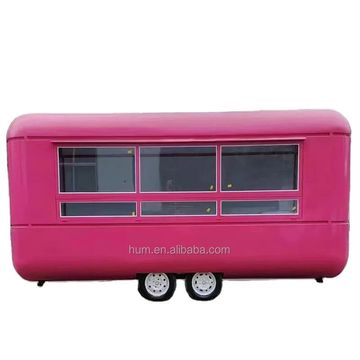
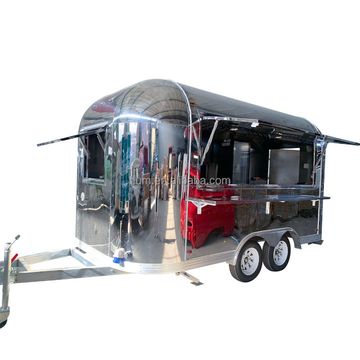
A unit built to our published standard and delivered under your brand. The specification and the inspection terms stay ours; the customer, the badge and the market stay yours.

This only works one way round. We do not put our name on a unit we have not checked, and the same rule applies in reverse: your name goes on a unit built to a standard that is published, with inspection written into the order, or the arrangement is not one we want.
A badge on a unit that fails at a border is your problem in your market long after the unit has left ours, and neither of us benefits from you finding that out.
What is ours
And stays ours
The build standard, unchanged
Six sections and thirty one requirements, published, and it does not soften because the badge is different.
The inspection terms, unchanged
Inspection and quality-control arrangements are confirmed in the written order, on the same terms as our own units. Your brand does not change them.
The document file
Confirmed per unit before an order is accepted, and it carries the manufacturer identification the destination market requires rather than a badge in place of it.
Your identity on the unit
Livery, badging and finish specified at build rather than applied afterwards, because a wrap over a spray job looks like what it is.
What is yours
And stays yours
The brand, and everything that attaches to it
Your name is what the customer buys and what they come back to. That includes the warranty conversation in your market.
Your own compliance obligations
Putting your name on a vehicle can make you a party to its approval in some markets, and in Australia the first importer is the Responsible Supplier and has to be an Australian or New Zealand entity. That obligation is not transferable and it is worth understanding before the badge goes on.
The customer relationship
Same as the dealer arrangement. We do not go around you.
What we will not do
Said before it matters
- Relax any requirement that carries an approval, a certificate or a marking for the destination market. A concession from us is worth nothing at a border.
- Remove the manufacturer identification a market requires and replace it with a badge.
- Supply under a brand without knowing which markets it will be sold into, because that decides what has to be true at manufacture.
- Claim the units are made by you. Our published material stays accurate about who builds what.
No prices here
They belong in a contract
Discounts, minimum quantities, margins and payment percentages belong in a contract with a named counterparty. A number published to everybody is a number negotiated with nobody, and it would be wrong for most of the people reading it.
What is set out instead is the shape of the arrangement, which is what you need before you spend an afternoon on it. Supplier terms follow the same rule.
Questions
Asked before an arrangement, not after
Can the standard be relaxed for our brand?
The parts that carry an approval or a marking, no, and a concession from us would be worth nothing at the border anyway. Everything else can be argued, and the argument is welcome before the build rather than at inspection.
Whose warranty is it?
Any warranty you give is yours to your customer. Any applicable warranty and aftercare terms are confirmed in the written quotation before order. That happens before you offer yours, not afterwards.
Do you say publicly that you build for us?
Only if you want us to. A reference is worth something to both of us and it is yours to give, not ours to take.
Tell us the market and the volume
Which country, how many units a year, and what you sell now. That is enough for a first conversation and it is enough for us to say no quickly if it is not a fit.