

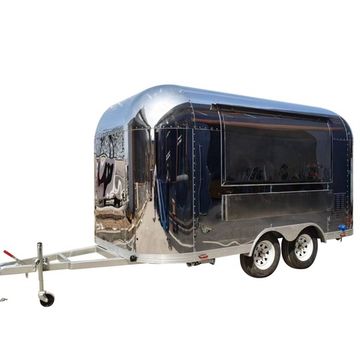
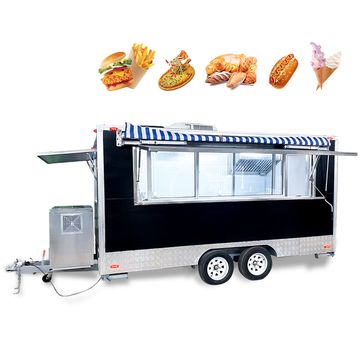
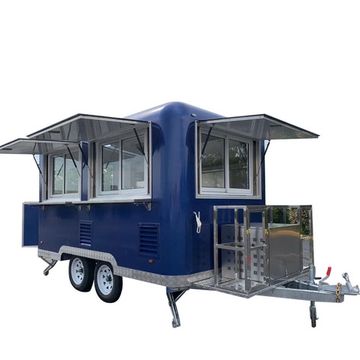
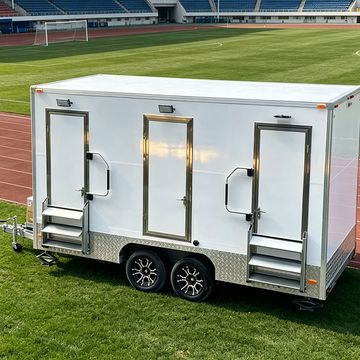
Partners
Build with us
MODUWRIGHT specifies a range of food trailers, mobile kitchens and sanitation units for markets whose approval rules are mapped to source. If you manufacture, supply components, inspect, or represent products in your country, this is what that would involve.
Who this is for
Four kinds of partner
Manufacturers
You build trailers or mobile units and you want orders that repeat. We bring a frozen specification, the destination-market compliance work already done, and a reorder rather than a redesign.
Read the build standard
Component and equipment suppliers
Cooking, refrigeration, extraction, water, gas and electrical. Certification for the destination market at the time of manufacture is the requirement that decides this.
What we specify
Market agents and dealers
You have an operating presence and a customer base in your country. You hold the relationship and the local registration; we hold the specification and the build, with inspection and documentation confirmed in the written order.
The trade programme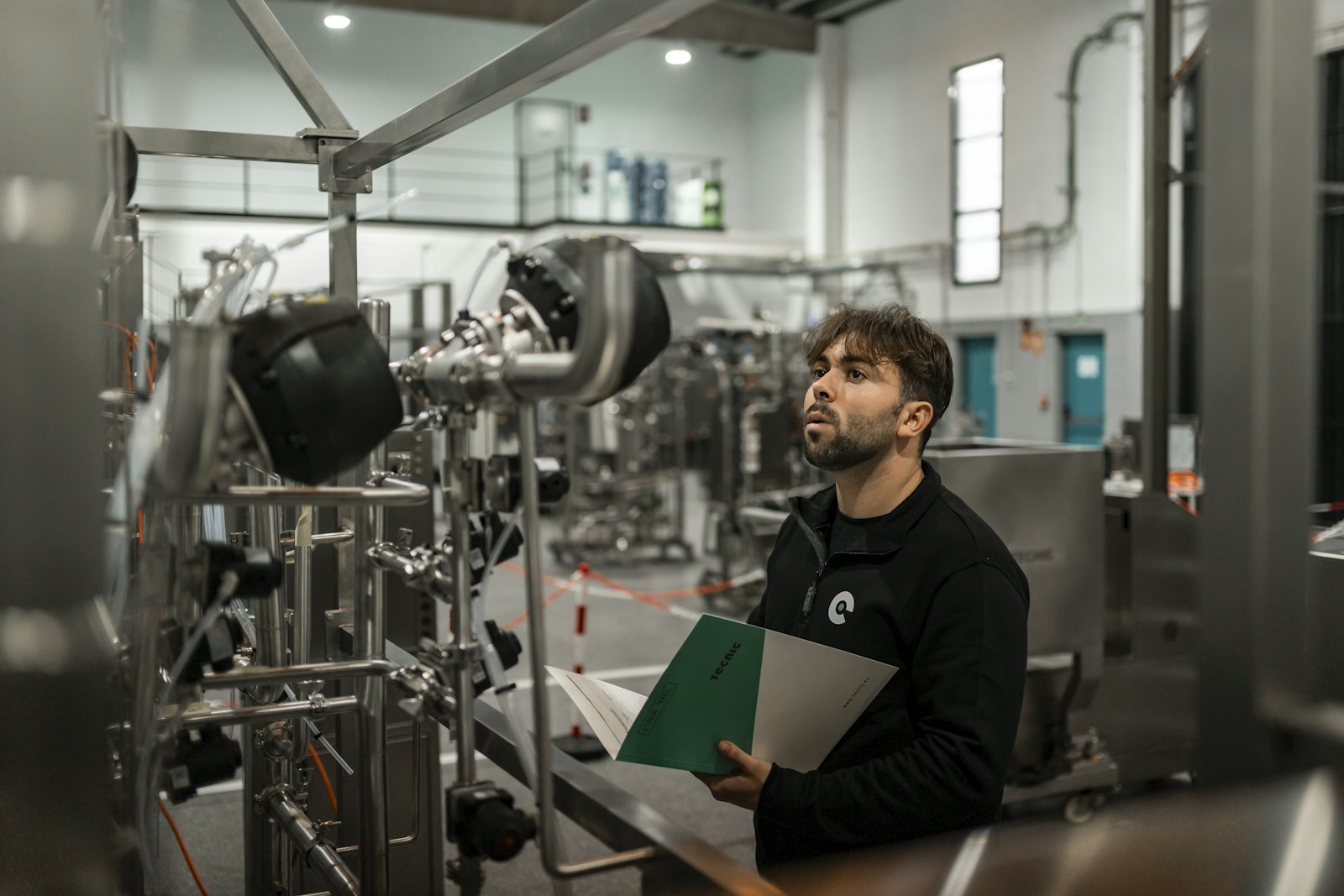
Inspection and service partners
Pre-shipment inspection at origin, and service and warranty attendance in the destination market. Independent of the manufacturer, reporting to us.
Inspection and quality controlWhat we bring
Why this is worth your time
We do the destination-market work before you quote
The approval route, the equipment certification requirement and the documentation set are established for the country the unit is going to, before an order exists. You are not asked to guess at another country's rules, and you are not the one carrying the risk when they turn out to be different from what everyone assumed.
The specification is frozen, and then it stays frozen
Drawing, equipment schedule and electrical design agreed in writing before build. Changes after that are change orders with a price and a date, not a phone call.
Inspection is written into the order
Inspection arrangements are confirmed in the written order, against the drawing you signed, and where the order includes independent inspection it is at our cost. A supplier who is comfortable with that is the supplier we want, and one who is not has told us something useful early.
We reorder rather than redesign
Where a build works, the next one is the same specification. That is worth more to a factory than a larger first order.
What we ask
And why each one exists
A named legal entity
The company registration number and the business licence. A trading name is not an identity.
A manufacturing address
The plant, not an office suite. We will visit it or send an inspector to it.
Technical data access
Enough design and process information to answer a regulator. Australia's type approval route requires the applicant to have it, and to be able to arrange an inspection of the premises.
Certification at manufacture
Gas and electrical equipment certified for the destination market at build time. Several markets do not permit retro-certification, so this cannot be corrected later.
Inspection access
Access for any inspection the written order includes, against the frozen drawing, with the right to reject.
Change control
No substitution of any specified component without written approval. A substituted appliance can invalidate an approval route.
The one that surprises people
Gas and electrical equipment must be certified for the destination market at the time of manufacture. Several markets do not permit retro-certification, so a unit built with uncertified equipment cannot be corrected at the far end. That makes it a bill-of-materials decision rather than a paperwork one.

Talk to us
What a first conversation covers
We will ask for your legal entity and registration, your manufacturing address, what you already build, and which certifications your installed equipment carries and for which markets. We will tell you which of our units your capability fits, what volume looks like, and what the first order would be.
We do not ask for a quotation in a first message, and we do not send a specification to a factory we have not identified. Both of those waste everyone's time.
Useful to have ready
- Business licence or registration certificate
- The manufacturing address, and whether we may inspect it
- Any type approval, WMI allocation or market certification you hold, with numbers
- Equipment certifications for the markets you already export to
- Photographs of units you have built, and who they went to
Everything is published before you write to us
Six documents to read first
A supplier evaluating a buyer is doing due diligence on a stranger. These are the documents to read before either of us spends an hour.
What exists today
The published standard, the approval routes, the obligations matrix, the change record and the open data.
Read itThe build standard
Six sections, thirty one requirements, the instruments behind them, and a written route for a clause you cannot meet.
Read itSelf check
Answer the thirty one requirements and see where you land, in five minutes. Nothing you enter leaves the page and there is no form to submit.
Check yourselfWhat has to exist, and when
Twenty two obligations across nine markets, sorted by the moment they bind. Five cannot be satisfied after the unit is built. Useful whoever you build for.
Read the matrixHow we work
What we commit to, what we will never ask you for, and where the specification leaves room so your existing tooling still fits.
Read the termsWhat an enquiry contains
The seven parts of every request for quotation, with a worked example.
See an exampleQuality and inspection
Six checkpoints from specification freeze to arrival, what an inspection verifies, and what a rejection is and is not.
Read the regimeRead the standard first
It shows in five minutes whether this is a fit, and tells you more than a call would.